 Image Credit: Anadolu / Contributor / Getty
Anonymous prepaid SIM cards are dying in Mexico. By July 1, 2026, every active cell phone number in the country must be biometrically linked to a named, government-credentialed individual or face suspension. That’s around 127 million numbers, each one tethered to an identity the Mexican government can look up by name.
The mobile registration law took effect January 9, 2026, covering prepaid and postpaid plans, physical SIMs, and eSIMs alike. Existing subscribers have until June 30 to complete registration. New lines activated after January 9 get 30 days. Miss the window, and the line goes dark.
The enforcement mechanism runs through the CURP Biométrica, Mexico’s biometric upgrade to its existing population registry code. The new credential embeds a photograph, electronic signature, and QR code that ties directly to biometrically verified records held in the national registry.
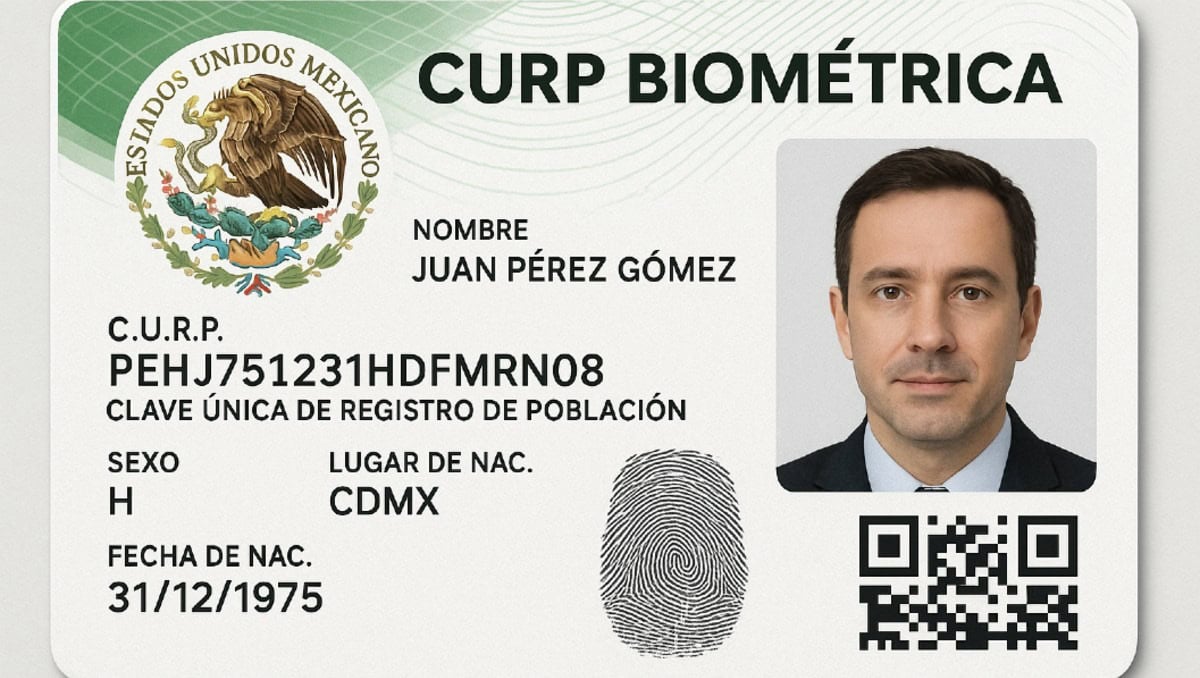
Residents registering a mobile line must provide their CURP number alongside a valid government ID, which makes biometric enrollment not optional but structurally required. You cannot register a phone number without first handing your biometric data to the state.
What Mexico is building here is a national phone network where every number has a face attached to it.
Other than convenience or for those who have low usage and some criminals, prepaid SIMs have historically been the tool of people who need connectivity without disclosure: domestic abuse survivors, journalists, activists, anyone whose safety depends on the gap between a phone number and a legal identity.
That gap is closing. The government has not announced any exemption for these populations, and the administrative guidelines released so far contain no carve-out for people who face genuine risk from identity-linked registration.
The Yucatán state court recognized the danger early. It suspendedthe CURP Biométrica program in September 2025 over privacy concerns. The federal government proceeded anyway.
Mexico isn’t operating in isolation. India, Nigeria, Tanzania, and other countries have already tied SIM registration to biometric national ID systems, creating mobile networks that function as identity enforcement infrastructure.
Governments frame these programs around fraud reduction, and the surveillance architecture gets built in the process. Mexico’s rollout follows the same template, linking telecommunications records to a centralized biometric registry that can identify who called whom, from where, and when.
The concentration of biometric identity data inside government-managed systems connected directly to telecom infrastructure is not a side effect of this policy. It’s the purpose. Every phone call routed through Mexico’s network after July 2026 will be traceable, by design, to a verified identity the government already holds on file.