 Image Credit: THIERRY ZOCCOLAN / Contributor / Getty Images
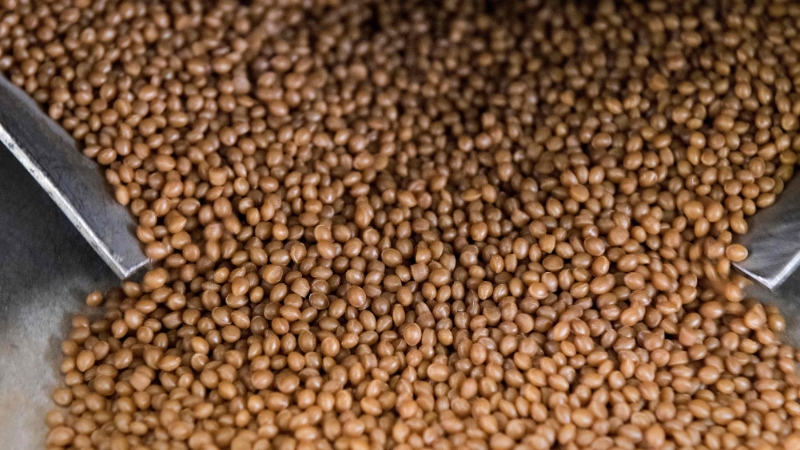
Polylactic acid, shortened to “PLA,” was introduced about 20 years ago as a safe, biodegradable alternative to traditional plastics made from hydrocarbons. PLA is made from corn starch and sugarcane, and breaks down quickly into smaller particles—microplastics and then nanoplastics—in the environment. New research, however, suggests that PLA may be far from safe, bringing into question, once again, our lax attitude to the regulation of novel chemicals and products.
In a new study, researchers exposed pregnant mice to the man breakdown product of PLA, oligomeric lactic acid or “OLA.” The concentrations of OLA used were in direct proportion to those humans are typically exposed to, so the effects observed would be comparable.
The study is the first animal study to examine the effects on fetal development of exposure to a breakdown product of biodegradable plastic.
Previous research had already established that PLA microplastics are digested in the gut into OLA, and that OLA is toxic to the intestinal tract, leading to enteritis, a form of inflammation that can cause pain, vomiting and diarrhea. Chronic—i.e. long-term—enteritis can increase the risk of colorectal cancer significantly.
With the pregnant mice, the researchers found that a realistic dose of OLA can end up penetrating the placenta and even reach the fetus.
Inside the placenta, OLA interferes with a signalling pathway that controls the development of blood vessels. This leads to slower growth of the fetus and reduced birth weight. In humans, reduced birth weight is associated with a much greater likelihood of stillbirth, and even if an underweight baby survives, they are at higher risk of developing a number of different health problems throughout their life. These problems include developmental delays, cognitive impairment, diabetes and heart disease.
Not good.
The most obvious response to the study would be to call for a re-evaluation of the safety of biodegradable plastics—and that’s exactly what the study authors do.
“While biodegradable plastics present a viable path to mitigate traditional plastic pollution, their potential health hazards necessitate a recognition in responsibility toward informed consumer intentions and conscientious usage,” said Dr Mengjing Wang.
Basically, we need to know if biodegradable plastics are safe or not, and if they aren’t, we need to stop using them.
Very sensible.
But we can and should go further than this. The new research reminds us of the danger of an attitude I like to call “safe until proven otherwise.” This is the prevailing attitude across Western societies, and especially the US, when it comes to new products, whether they’re new types of plastic like PLA, food additives or industrial and agricultural chemicals.
Whatever safety testing is done is minimal and focused on the short term. In many cases, the companies that make the new products are also the ones that do the testing and present their findings to regulators as if they were neutral and not the product of a grave conflict of interest. Sometimes companies keep the test results to themselves and just release their new products onto the market without any oversight at all. Officials on regulatory boards often go straight to work for the companies they once regulated, as we saw during the pandemic with the COVID-19 vaccines.
This tangled web creates a situation where not only are harmful products regularly licensed as safe, but when they’re finally identified as harmful, usually decades later, they’re then replaced with products that are equally unsafe—sometimes worse. For example, replacement chemicals for bisphenol-A (BPA), such as BPS, turn out to be every bit as harmful, with vicious obesogenic and hormone-disrupting effects.
This is one of the great difficulties facing Robert F. Kennedy Jr. as part of his “Make America Healthy Again” crusade: It’s not just enough to get rid of harmful chemicals in the food supply or environment. The whole system of regulation, and the arrogant corporate-serving attitude that underlies it, must be overturned. That’s no small task.
Fundamental reform of regulatory bodies like the FDA and the EPA is something RFK has campaigned on for decades. Since becoming Secretary of Health and Human Services under President Trump, he’s put forward a proposal to close the FDA’s Generally Recognized as Safe loophole, an insane system that allows food manufacturers to create new food additives, decide they’re safe and then introduce them to the food supply without even telling the FDA. Nobody knows exactly how many additives are in the American food supply, or whether the vast majority of them are safe. There may be as many as 10,000, estimates suggest. In Europe, by contrast, where regulations are much tighter, the number is about 2,000. But like I say, nobody knows.
And that’s just food.
This ignorance has to end, for the good of all Americans.
🚨RED ALERT: Trump Has Been Set Up By The NeoCons!!!