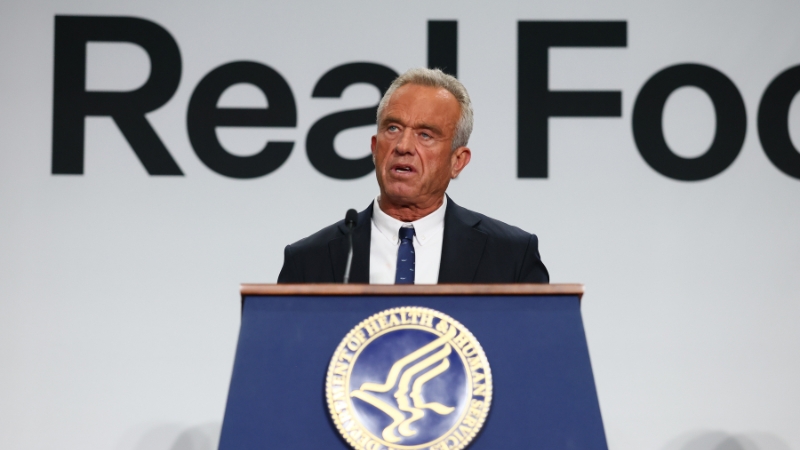
 Image Credit: Kevin Cummins / Contributor / Getty Images
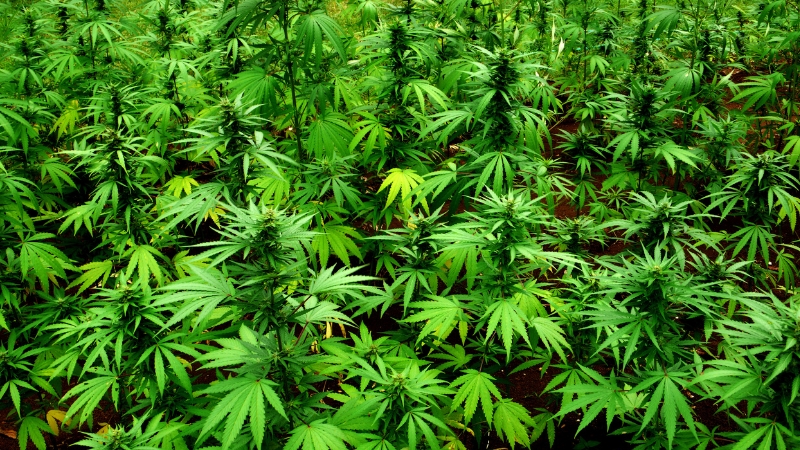
Teenagers who use cannabis face twice the risk of developing psychotic and bipolar disorders, according to a new study.
The longitudinal study, published in JAMA Health Forum, followed close to half a million 13-17-year-olds and found that past-year cannabis use during adolescence was associated with double the risk of psychotic and bipolar disorders, as well as significantly increased risk of depressive and anxiety disorders.
Cannabis use preceded psychiatric diagnoses by an average of 1.7 to 2.3 years.
“As cannabis becomes more potent and aggressively marketed, this study indicates that adolescent cannabis use is associated with double the risk of incident psychotic and bipolar disorders, two of the most serious mental health conditions,” said Lynn Silver, M.D., program director of the Getting it Right from the Start, a program of the Public Health Institute, and a co-author of the study.
“The evidence increasingly points to the need for an urgent public health response—one that reduces product potency, prioritizes prevention, limits youth exposure and marketing and treats adolescent cannabis use as a serious health issue, not a benign behavior.”
Cannabis remains the most used drug among US teenagers.
Around 8% of eighth graders and 26% of twelfth graders report using cannabis in the past year.
Levels of the psychoactive compound THC are at their highest levels ever—over 20%—and cannabis concentrates can exceed 95%.
At the end of December, it was announced that the Trump administration would use an Executive Order to reduce federal restrictions on marijuana.
The order would reclassify marijuana as a schedule III drug, on the same level as common painkillers.
Marijuana has been a Schedule I drug since the 1970 passage of the Controlled Substances Act. Schedule I drugs are defined as those without any “currently accepted medical use” and “high potential for abuse.”