 Image Credit: hapabapa
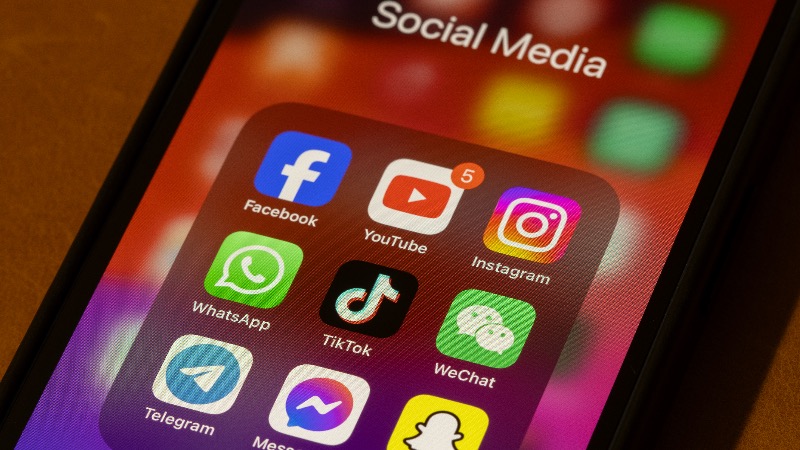
Illicit drug sales are no longer relegated to back alleyways, grungy nightclubs or the dark web. According to the White House, regular social media networks have become host to the trafficking of illegal substances, and the Trump administration is taking action against it.
In a press release issued by the White House on Friday, Drug Czar Sara Carter discussed how online drug sales are aversely impacting American children.
“Throughout my career, I have spoken to countless families who lost a child or loved one to drugs purchased through social media,” Director Carter said. “In many of these cases, the victim thought they were purchasing a safe pill, which actually contained a lethal dose of illicit fentanyl. In order to prevent this senseless loss of life, ONDCP will need full-scale cooperation from social media companies, law enforcement, and the whole-of-government. Most importantly, we as parents need to educate our children about the dangers of drugs and monitor their social media use to protect them from those who seek to do irreparable harm.”
On Wednesday Carter held a roundtable with representatives from Meta, TikTok, X, YouTube and Internet Works as well as administration officials to discuss methods of curbing social media drug deals.
No specific counter-strategies discussed at the meeting were listed in the White House press release, but theoretically platform-based surveillance and sting operations could have been talked about.
According to the press release, the group “committed to enhance coordination between law enforcement and social media companies” to prevent social media drug sales.
In a rapidly evolving digital age, drug dealers and traffickers abuse platforms that are meant to foster connection—even to the point of targeting children. The roundtable participants provided their perspectives on best practices for keeping children safe from drug traffickers who seek to exploit them online.
In 2022 the DEA published a report on social media drug dealing, detailing how it works and the threat it poses.
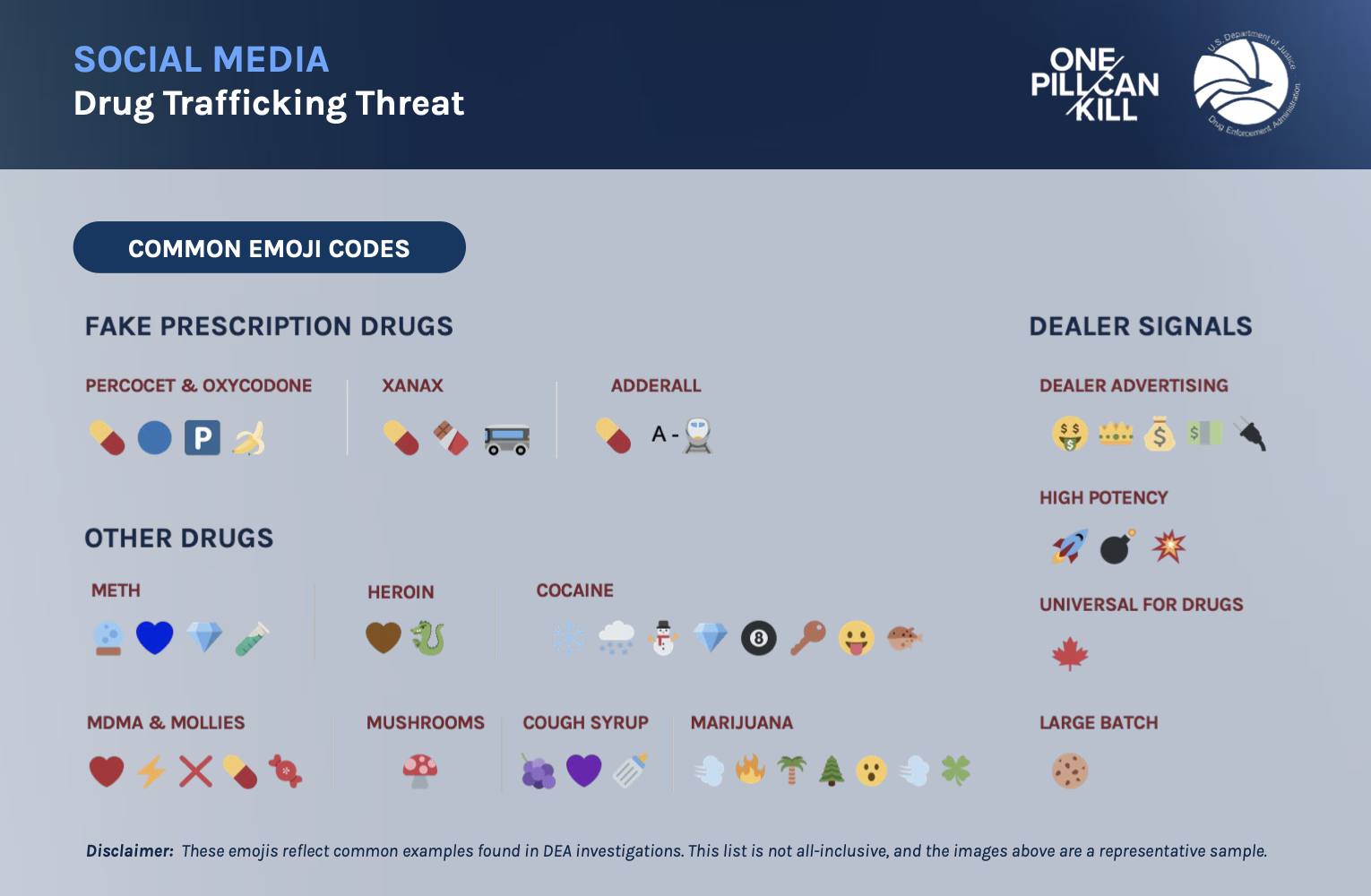
“With the growth of social media and the proliferation of smartphones, a dangerous and deadly new drug threat has emerged: criminal drug networks are abusing social media to expand their reach, create new markets, and target new clientele. This includes by selling deadly fake fentanyl and methamphetamine pills, often to unsuspecting teenagers, young adults, and older Americans, who think they are buying the real thing,” the DEA said in their report. “Drug traffickers advertise on social media platforms like Facebook, Instagram, Snapchat, TikTok, Twitter and YouTube. These advertisements are in disappearing, 24-hour stories and in posts, which are promptly posted and removed. Posts and stories are often accompanied by known code words and emojis that are used to market and sell illicit and deadly drugs on social media. These code words and emojis are designed to evade detection by law enforcement and by the preset algorithms used by social media platforms.”
The United Nations Office of Drugs and Crimes issued a report in 2023 which detailed the online aspect of drug dealing in even greater detail, offering stats and statistics on the issue.