 Image Credit: Joe Raedle / Staff / Getty Images
Annual inflation in the US has hit 3.3%, its highest level since May 2024, as a result of spiking energy prices and the Iran war.
The March Consumer Price Index showed that the 12-month annual inflation level rose from 2.4% in February to 3.3%, in line with economists’ expectations.
The core inflation rate, which excludes the more volatile categories of energy and food, increased from 2.5% to 2.6%.
Almost all of the increase came from energy, which spiked by 10.9%.
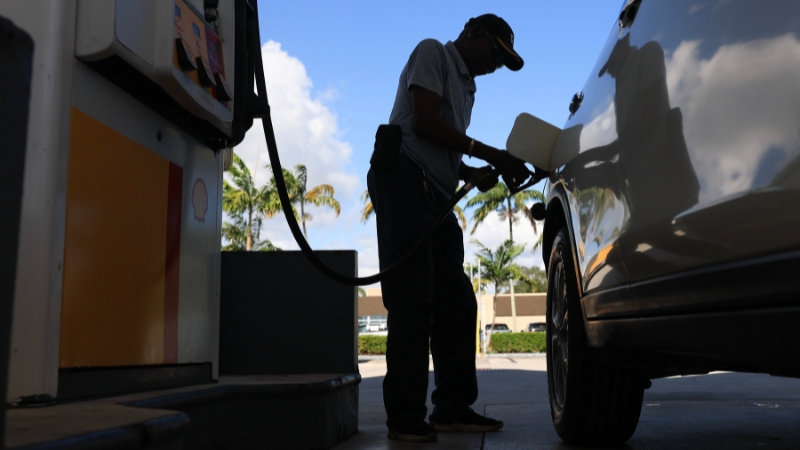
Gasoline was the biggest contributor to that spike, jumping 21.2%, in the largest increase since the series started in 1967.
The cost of crude oil is still more than $100 a barrel, with the national average price for a gallon of gas well above $4.
Fuel oil rose by 31%, and electricity costs by 0.8%.
The closing of the Strait of Hormuz, through which 20% of the world’s crude oil and gas exports pass, has driven the increase in energy prices.
Iran and the US have now agreed to a two-week ceasefire to reach a peace deal, including a deal to reopen the Strait, but at present it remains more or less fully closed.
“As we have been saying for the past month and a half, the duration of the war matters as does the extremely important Strait of Hormuz,” Chris Zaccarelli, chief investment officer at Northlight Asset Management, told The Epoch Times.
“If the supply shock is temporary, then the economy can weather this storm and the Fed will have an opportunity to lower interest rates by the end of the year, but if the inflation shock is more long-lasting, they will have no choice but to sit on their hands for the entire year.”
It is widely expected that the Federal Reserve will follow through on its forecast of policy easing.
The Epoch Times notes, “Policy expectations have wildly fluctuated over the past month. Futures market data indicate that traders added to bets that the central bank will pull the trigger on a quarter-point reduction later this year.
“Still, officials will continue to look through war-driven price pressures and the effects of tariffs on inflation. Various Fed officials, including Chair Jerome Powell, have suggested that the annual inflation rate, excluding these two factors, is likely closer to the institution’s 2 percent target.”