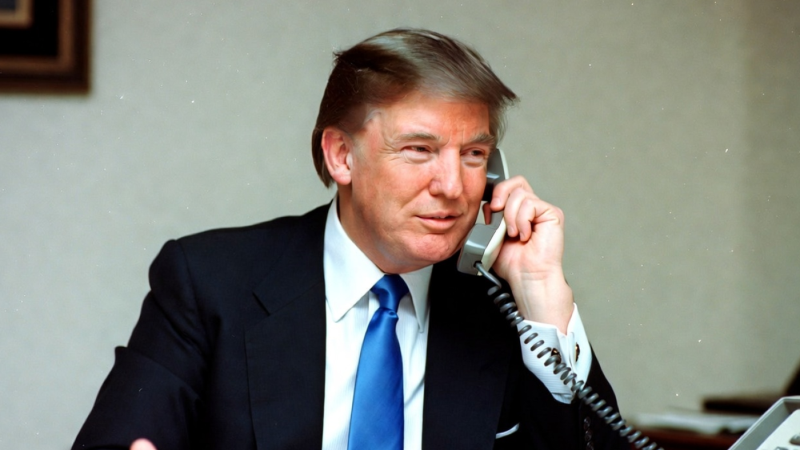
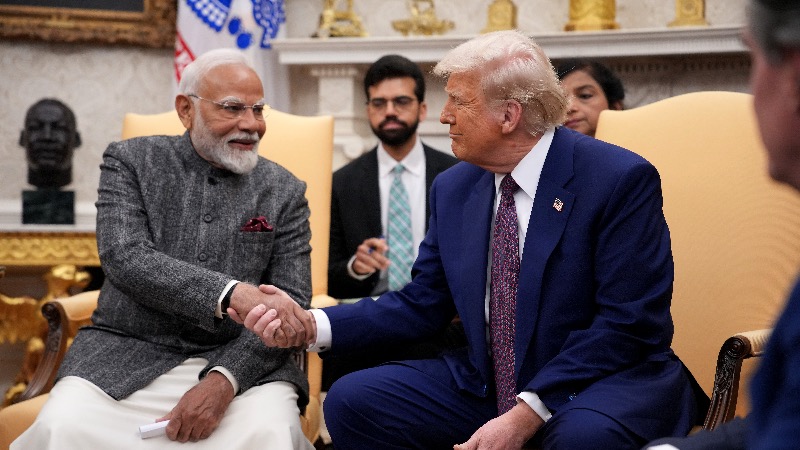
 Image Credit: Andrew Harnik / Staff / Getty
Following President Donald Trump’s phone call with India’s Prime Minister Narendra Modi on February 2 a trade deal was finalized between the two nations which cuts through the heart of the BRICS/West rivalry. On Monday a fact sheet of the deal was published by the White House after a joint statement was released Friday.
Importantly, India is a key member of the multinational economic bloc BRICS (Brazil, Russia, India, China and South Africa). As outlined in the White House’s National Security Strategy, Trump’s agenda to curb Chinese expansion entails deepening U.S. economic ties with India.
The key parts of the agreement include:
- India will eliminate or reduce tariffs on all U.S. industrial goods and a wide range of U.S. food and agricultural products, including dried distillers’ grains (DDGs), red sorghum, tree nuts, fresh and processed fruit, soybean oil, wine and spirits, and additional products.
- India intends to buy more American products and purchase over $500 billion of U.S. energy, information and communication technology, coal, and other products.
- India will address non-tariff barriers that affect bilateral trade in priority areas. The United States and India will negotiate rules of origin that ensure that the agreed benefits accrue predominately to the United States and India.
- India committed to negotiate a robust set of bilateral digital trade rules that address discriminatory or burdensome practices and other barriers to digital trade.
- The United States and India committed to strengthen economic security alignment to enhance supply chain resilience and innovation through complementary actions to address non-market policies of third parties as well as cooperating on inbound and outbound investment reviews and export controls.
- The United States and India will significantly increase bilateral trade in technology products and expand joint technology cooperation.
The joint statement from Friday expands on this list in greater detail.
The international agreement helps guarantee the U.S. remains a key player on the global stage and not be supplanted by communist China.
“We must continue to improve commercial (and other) relations with India to encourage New Delhi to contribute to Indo-Pacific security, including through continued quadrilateral cooperation with Australia, Japan, and the United States (‘the Quad’). Moreover, we will also work to align the actions of our allies and partners with our joint interest in preventing domination by any single competitor nation,” the White House National Security Strategy said on page 21.
Following Trump’s February 2 call with Modi, he announced:
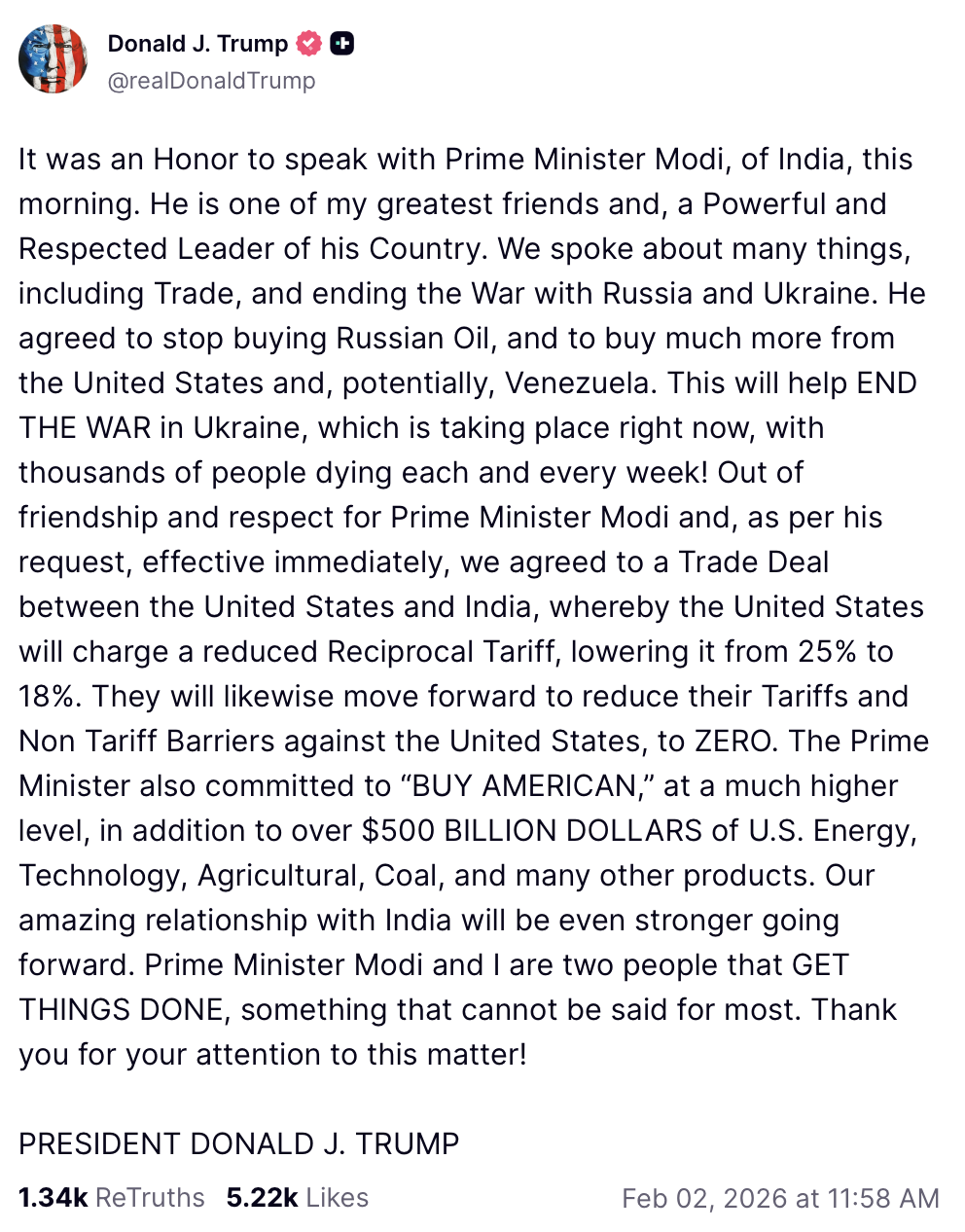
Modi also detailed his conversation with Trump, saying that he was delighted with the commerce developments and even proclaiming that Trump is vital for global peace:
Wonderful to speak with my dear friend President Trump today. Delighted that Made in India products will now have a reduced tariff of 18%. Big thanks to President Trump on behalf of the 1.4 billion people of India for this wonderful announcement. When two large economies and the world’s largest democracies work together, it benefits our people and unlocks immense opportunities for mutually beneficial cooperation. President Trump’s leadership is vital for global peace, stability, and prosperity. India fully supports his efforts for peace. I look forward to working closely with him to take our partnership to unprecedented heights.