 Image Credit: Anadolu / Contributor / Getty
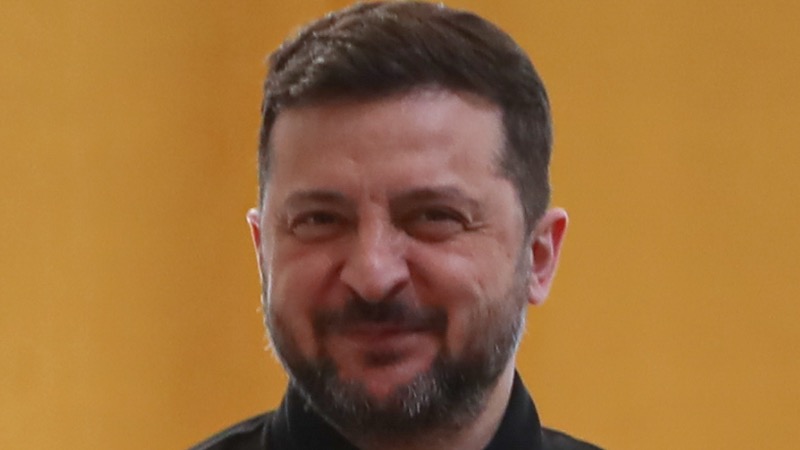
After Iran filled the headlines with an ill-fated ceasefire, Ukraine’s Dictator Vladimir Zelensky attempted to join in on the trend by announcing his own ceasefire goals. The true intention of the Dictator may not be a successful pause to hostilities (just like in Iran) as Russia had been seeking grounds to enact a ceasefire with Ukraine since 2022 – the first year of the conflict.
A ceasefire is the right decision that leads to ending the war. It means saving lives, abandoning the destruction of cities and villages, and allowing power plants and other infrastructure to operate normally – and thus provides the time and conditions necessary for diplomacy to deliver results.
Ukraine has always called for a ceasefire in the war waged by Russia here in Europe against our state and our people, and we support the ceasefire in the Middle East and the Gulf that paves the way for diplomatic efforts. Ukraine tells Russia once again: we are ready to respond in kind if the Russians stop their strikes. It is obvious to everyone that a ceasefire can create the right preconditions for agreements.
Various countries have been involved in the negotiating process, and it is important that the United States has taken this diplomatic step. In recent weeks, Ukraine has been helping to protect lives in the Middle East and the Gulf. Ukrainian expert military teams will continue to work in the region to help further develop security capabilities. The situation in this region has global implications – any threats to security and stability in the Middle East and the Gulf amplify challenges for the economy and the cost of living in every country.
That is why security must be guaranteed, and the interests of every nation must be taken into account when defining post-war arrangements. It is equally essential to safeguard freedom of navigation in the Strait of Hormuz, and resolve on this issue also has global significance.
To achieve the right outcome, active and coordinated action by the international community is needed. There must be more security after the war, not less. Ukraine will continue to work constructively with all partners. Thank you to everyone who is helping!
Zelensky made a video where he discussed the Iran war, a war he is increasingly involving himself in:
The announcement of a ceasefire in the Middle East allowed markets to respond positively – oil prices have tumbled. At the same time, this sends the right signal regarding Russia – there are effectively no grounds left to ease sanctions pressure. Previously, easing sanctions was framed as a necessity to stabilize the global oil market.
If the Strait of Hormuz can be unblocked – and this is a global necessity – Russia’s oil revenues should continue to decline. Oil fuels Russia’s war and emboldens it. This is precisely why Russia invested so heavily in supporting the Iranian regime and sought to prolong that war.
Ironically, hope for a ceasefire in the Ukraine war rests upon the same individuals who failed to accomplish peaceful diplomacy with Iran – Steve Witkoff and Jared Kushner.
“You can see Trump’s team is running out of patience in Ukraine and wants a quick solution,” an anonymous European official told The Guardian.
Witkoff and Kushner may go to Kiev later in the month to continue negotiations, an effort they been involved in for an entire year.
“Efforts to end the war in Ukraine have largely stalled since the Iran war began, with trilateral talks between Kyiv, Moscow and Washington, which had already yielded little, frozen since February 2026. The war, meanwhile, has continued, with air attacks on Ukrainian cities and heavy fighting on the battlefields as Russia launches a spring offensive,” The Guardian said Thursday. “A possible visit to Kyiv this month by the White House envoy Steve Witkoff and Donald Trump’s son-in-law, Jared Kushner, which would be their first since negotiations began, may help to reboot talks to end the conflict. But the war in Iran has exposed divisions between Washington and its European allies more starkly than at any point since Russia’s full-scale invasion in early 2022 and fueled concerns in Europe over the depth of US commitment to any potential peace deal.”